
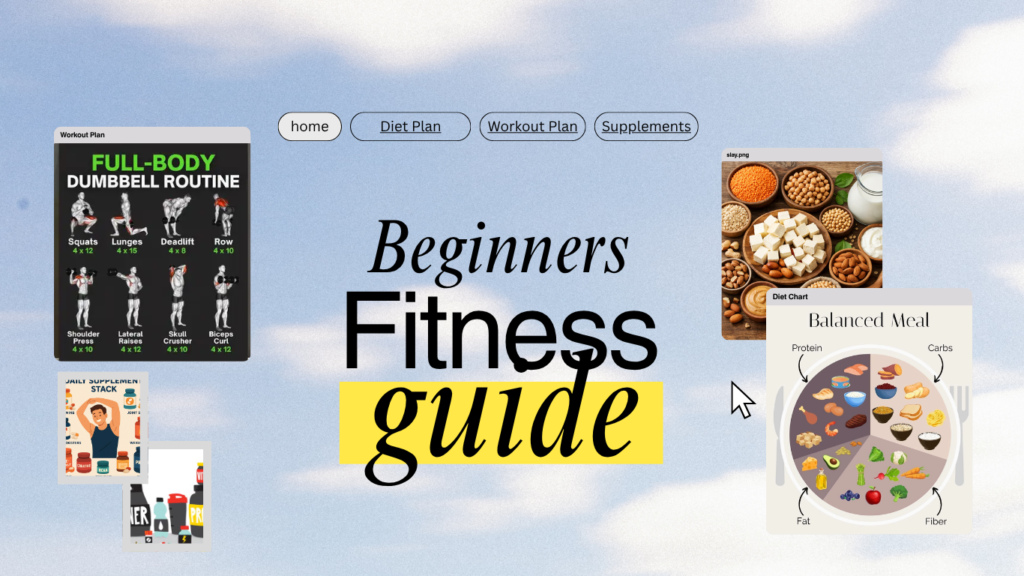
Introduction to Fitness for Beginners
Starting your fitness journey can feel confusing and overwhelming, especially with so much information available online. But the truth is, getting fit doesn’t have to be complicated. With the right approach, consistency, and mindset, anyone can improve their health and build a stronger body.
Fitness is not just about lifting heavy weights or running long distances—it’s about creating a balanced lifestyle that includes exercise, proper nutrition, and adequate rest. Whether your goal is to lose weight, build muscle, increase energy, or simply feel better in your daily life, taking the first step is what matters most.
As a beginner, it’s important to focus on the basics. Start with simple workouts, learn proper form, and gradually increase intensity over time. You don’t need fancy equipment or a gym membership to begin—many effective exercises can be done at home using just your body weight or a pair of dumbbells.
Remember, progress takes time. You may not see results immediately, but with consistency and patience, your efforts will pay off. The key is to stay motivated, set realistic goals, and enjoy the process.
This guide is designed to help you understand the fundamentals of fitness and give you a clear starting point. No matter where you are today, you have the ability to improve your health and transform your life—one step at a time.
Beginner’s Gym Diet Plan
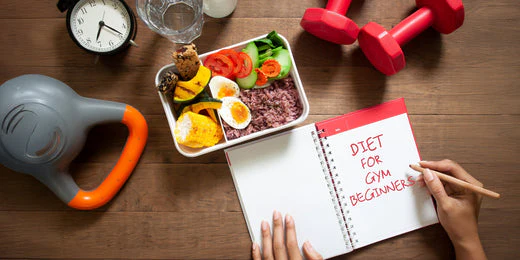
Starting your fitness journey is not just about workouts—your diet plays a major role in your results. A proper diet helps you build muscle, lose fat, and improve energy levels. As a beginner, you don’t need a complicated meal plan. Keeping it simple and consistent is the key.
1. Basic Diet Principles for Beginners
Before following any diet plan, understand these simple rules:
- Eat balanced meals (Protein + Carbs + Healthy fats)
- Don’t skip meals
- Drink at least 2.5–3 liters of water daily
- Avoid junk food, sugary drinks, and excessive fried items
- Eat every 3–4 hours to maintain energy
2. Important Nutrients You Need
Protein (Muscle Building)
Helps repair and build muscles
Sources: Eggs, chicken, fish, paneer, tofu, protein powder
Carbohydrates (Energy Source)
Gives energy for workouts
Sources: Rice, roti, oats, fruits, potatoes
Healthy Fats (Overall Health)
Supports hormones and recovery
Sources: Nuts, seeds, peanut butter, olive oil
3. Sample Beginner Diet Plan
Morning (After Waking Up)
- 1 glass warm water
- 5–10 soaked almonds
Breakfast (8–9 AM)
- Oats with milk + fruits
OR - 3–4 boiled eggs + 2 bread slices
OR - Vegetable upma / poha
Mid-Morning Snack
- 1 fruit (banana/apple)
- Handful of nuts
Lunch (1–2 PM)
- 1 bowl rice or 2–3 roti
- Dal or chicken curry
- Vegetable sabzi
- Salad (cucumber, carrot)
Pre-Workout (30–45 mins before)
- 1 banana
- Black coffee (optional)
Post-Workout
- Protein shake (or)
- 3 boiled eggs / paneer
- 1 banana
Dinner (7–9 PM)
- 2 roti or small portion of rice
- Chicken / paneer / tofu
- Vegetables
Before Bed (Optional)
- 1 glass milk
4. Tips for Best Results
- Stay consistent with both diet and workout
- Don’t expect instant results—give it at least 4–6 weeks
- Adjust food quantity based on your goal (weight loss or muscle gain)
- Sleep at least 7–8 hours daily
How to Start Gym for Beginners
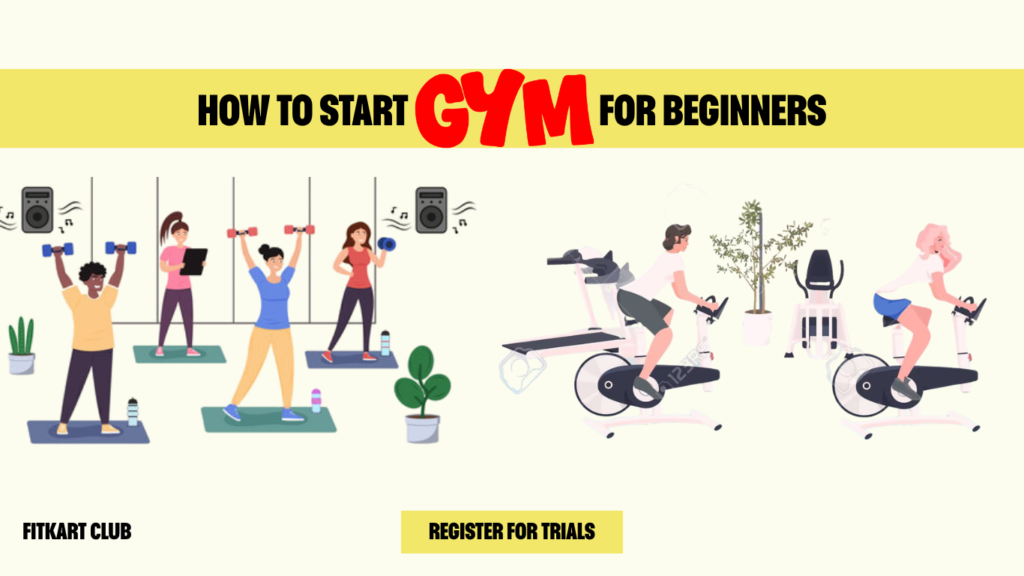
Starting the gym for the first time can feel intimidating—but it doesn’t have to be. With the right plan and mindset, you can begin your fitness journey confidently and safely.
1. Set a Clear Goal
Before you start, ask yourself:
- Do you want to lose weight?
- Build muscle?
- Improve fitness and stamina?
Your goal will decide your workout and diet plan.
2. Choose the Right Gym
Pick a gym that is:
- Close to your home (easy to stay consistent)
- Clean and well-equipped
- Has trainers to guide beginners
3. Start Slow (Don’t Overdo It)
As a beginner:
- Train 3–4 days per week
- Keep workouts 45–60 minutes
- Focus on learning correct form
4. Follow a Simple Workout Plan
Beginner Weekly Plan:
Day 1 – Chest + Triceps
- Push-ups – 3 sets
- Bench press – 3 sets
- Tricep dips – 3 sets
Day 2 – Back + Biceps
- Lat pulldown – 3 sets
- Dumbbell rows – 3 sets
- Bicep curls – 3 sets
Day 3 – Rest or Light Cardio
Day 4 – Legs + Shoulders
- Squats – 3 sets
- Lunges – 3 sets
- Shoulder press – 3 sets
Day 5 – Full Body (Optional)
Light workout + cardio
5. Warm-Up is Important
Before every workout:
- 5–10 minutes cardio (treadmill, skipping)
- Light stretching
This helps prevent injuries.
6. Focus on Proper Form
- Don’t lift heavy weights in the beginning
- Learn correct posture and movement
- Bad form = risk of injury
If unsure, ask a trainer.
7. Follow a Basic Diet
- Eat enough protein (eggs, chicken, paneer)
- Include carbs for energy (rice, roti, oats)
- Stay hydrated
(Diet is 50% of your results)
8. Take Rest and Recovery Seriously
- Sleep 7–8 hours daily
- Take rest days to allow muscle recovery
9. Stay Consistent
- Results take time (4–8 weeks)
- Don’t quit early
- Make gym a habit
10. Stay Motivated
- Track your progress
- Take photos weekly
- Listen to music or go with a friend
How Much Protein Do You Need Daily?
Protein is essential for muscle growth, repair, and overall health. But the amount you need depends on your lifestyle, activity level, and fitness goals.
1. General Protein Intake (Basic Health)
For an average adult:
- 0.8 grams per kg of body weight per day
Example:
If you weigh 70 kg → 70 × 0.8 = 56g protein/day
2. For Fitness Beginners
If you’ve just started working out:
- 1.0 – 1.2 g per kg
Helps your body adapt and recover better.
3. For Muscle Gain (Gym / Strength Training)
- 1.6 – 2.2 g per kg
Example:
70 kg person → 112g – 154g protein/day
This supports muscle growth and repair.
4. For Weight Loss (Fat Loss)
- 1.5 – 2.0 g per kg
Higher protein helps:
- Control hunger
- Preserve muscle
- Burn more calories
5. For Athletes / Intense Training
- 2.0 – 2.5 g per kg
Required for heavy workouts, bodybuilding, or sports.
Quick Protein Chart
| Goal | Protein Intake (per kg) |
|---|---|
| General Health | 0.8 g |
| Beginners | 1.0 – 1.2 g |
| Muscle Gain | 1.6 – 2.2 g |
| Fat Loss | 1.5 – 2.0 g |
| Athletes | 2.0 – 2.5 g |
Best Protein Sources
- Eggs
- Chicken
- Fish
- Milk & dairy
- Lentils & beans
- Nuts & seeds
- Protein supplements (whey/plant)
Home Workout and Supplements Guide for Beginners
Starting your fitness journey at home is one of the easiest and most effective ways to build strength, lose fat, and improve overall health. With the right workout plan and proper supplementation, you can achieve great results without going to the gym.
Why Choose Home Workouts?
Home workouts are:
- Convenient and time-saving
- Cost-effective (no gym fees)
- Beginner-friendly
- Flexible based on your schedule
You don’t need fancy equipment—just consistency and basic guidance.
Do You Need Supplements?
Supplements are not mandatory, but they help when your diet is not enough.
Rule: Food first, supplements second.
Best Supplements for Beginners
1. Protein Powder (Whey or Plant)
- Helps meet daily protein needs
- Supports muscle recovery and growth
- Easy to consume
Best time: After workout or anytime during the day
2. Multivitamins
- Fills nutritional gaps
- Supports immunity and overall health
3. Creatine (Optional)
- Improves strength and performance
- Helps in muscle gain
Take 3–5g daily with water
4. Omega-3 (Fish Oil)
- Good for heart and joint health
- Reduces inflammation
Conclusion
In conclusion, starting your fitness journey at home is simple and effective when you follow a structured workout plan and maintain a balanced diet. Supplements can support your progress, but consistency and discipline are the key factors for success. Focus on building healthy habits, stay patient, and over time, you will see real and lasting results.